First Esthetics Visit: What to Expect
What Your First Esthetics Appointment Really Feels Like
What Your First Esthetics Appointment Really Feels Like
Stepping into an esthetics studio for the first time can feel equal parts exciting and overwhelming—even for the most confident clients. With so many treatment options available, from hydrating facials to advanced skin correction protocols, it’s normal to wonder what actually happens behind those serene spa doors. The truth is, modern esthetics is less about mystery and more about personalized skin health, and understanding the process can dramatically enhance your results and comfort level.
In this guide, you’ll discover what truly unfolds during a first-time visit, including the consultation phase, where licensed estheticians evaluate your skin type and concerns; the customized treatment plan built around your goals; and exactly what to expect during the hands-on portion of your service. Whether you're seeking solutions for acne, aging, hyperpigmentation, or simply a glow boost, knowing the steps—from check-in to post-care tips—helps reduce anxiety and build confidence.
We’ll walk through common procedures across regions, explain terminology used in treatment rooms, and offer practical tips to prepare for your appointment, ensuring a smooth, informed, and satisfying experience no matter where you book.
Why Your First Esthetics Appointment Starts with a Conversation
Your journey to radiant, healthy skin begins long before any treatment starts—it starts with a thorough initial consultation and medical history review. This foundational step ensures both safety and effectiveness, setting the stage for personalized, results-driven care tailored to your unique skin type, concerns, and goals. Skincare professionals use this time to evaluate any underlying conditions, allergies, or medication sensitivities that could impact treatment outcomes.
Key aspects reviewed typically include:
- Skin type and condition (oily, dry, sensitive, acne-prone, aging)
- Medical and dermatological history, including previous treatments or procedures
- Current skincare routine and product usage
- Allergies or reactions to ingredients or environmental factors
- Lifestyle factors like sun exposure, stress, or travel habits common in sunny locations
This detailed assessment helps avoid adverse reactions and enhances treatment precision, especially important for residents in high-sun areas seeking facial rejuvenation, chemical peels, or advanced hydration therapies. Think of it as a roadmap for your skin’s health—your esthetician uses it to customize protocols, recommend realistic expectations, and track progress over time.
Never skip this step. A proper consultation builds trust, aligns expectations, and ensures every service supports your long-term skin wellness.
Understand Your Skin’s Reaction: A Step-by-Step Guide to Patch Testing
Before any aesthetic treatment involving active ingredients, a patch test is a crucial step in ensuring your skin’s safety and comfort. This simple yet essential process helps identify potential sensitivities to skincare components, especially if you have a history of reactions or sensitive skin. Follow these steps to understand how patch testing works and why it matters for your skin health.
- Identify the Product or Treatment Needing Testing
Whether it’s a chemical peel, laser session, or topical serum, ask your provider which ingredient requires a patch test. Common triggers include glycolic acid, salicylic acid, or botanical extracts. - Select the Test Area
Apply a small amount of the product behind the ear or on the inner forearm—areas with thin, reactive skin. Avoid areas with cuts, sunburn, or irritation. - Apply and Wait 24–48 Hours
Leave the sample undisturbed. Do not wash or cover it with tight bandages. Monitor for redness, itching, swelling, or burning. - Interpret the Results
No reaction means you’re likely safe to proceed. Mild redness may indicate sensitivity; consult your provider. Strong reactions mean avoid the ingredient.
Pro tip: Always request a patch test if you're new to aesthetic treatments or visiting a clinic in Orange County or similar climates with high sun exposure—environmental factors can influence skin reactivity.
Spotless Standards: What Keeps Your Skin Safe During Treatment
Your first esthetics visit should feel as safe as it is transformative. Sanitation and hygiene aren’t just checkboxes—they’re foundational to every service, from facials to waxing. Licensed professionals follow strict protocols to protect your skin and health, especially in high-traffic areas like Orange County where cleanliness is non-negotiable.
Here’s what reputable studios implement:
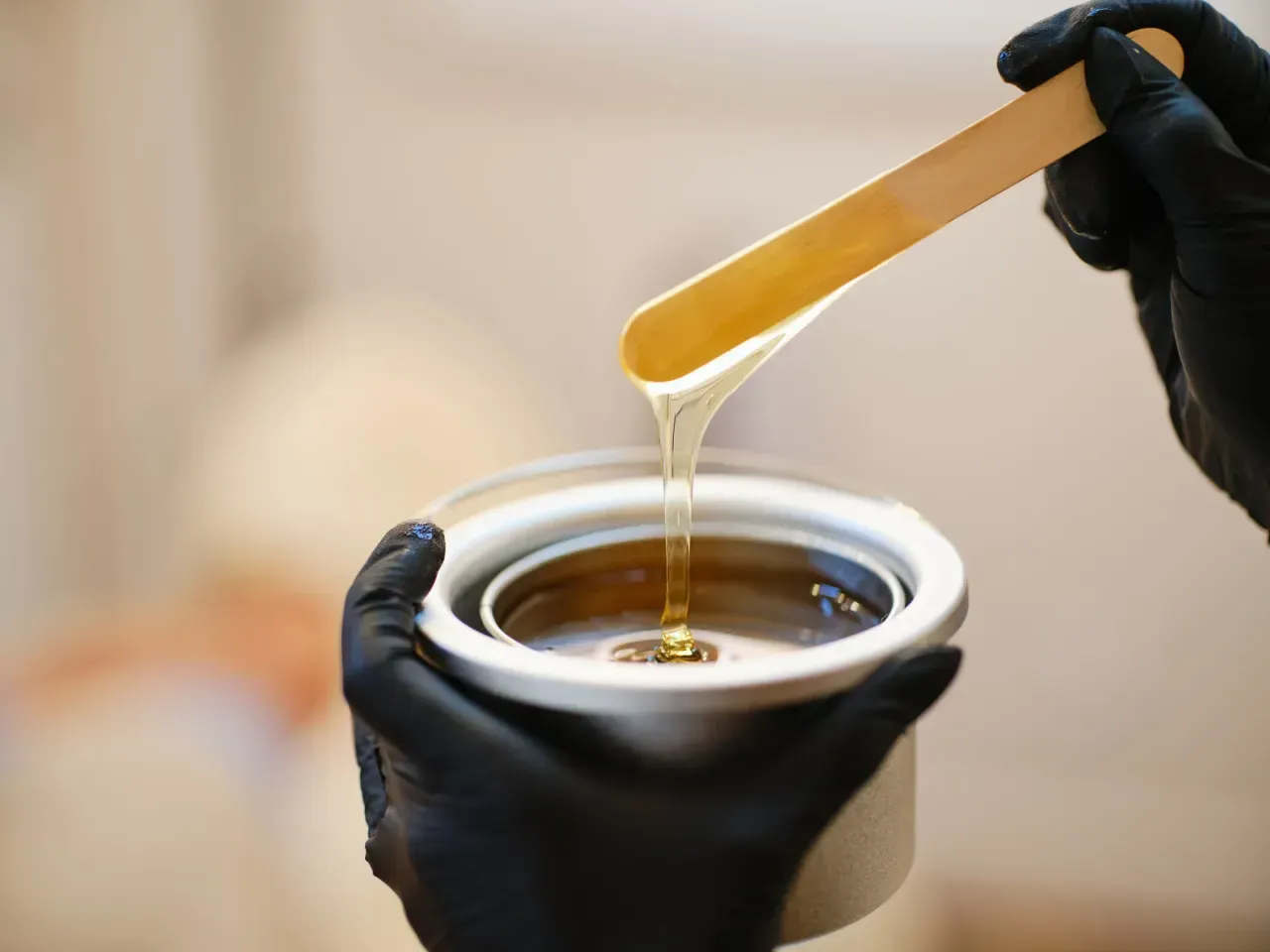
- Sterile Tools: Disposable or autoclaved instruments ensure zero cross-contamination. Needles, wax spatulas, and tweezers are never reused.
- Surface Sanitization: Treatment beds, chairs, and doorknobs are disinfected between clients using hospital-grade solutions.
- Hand Hygiene: Estheticians wash hands thoroughly and wear gloves when appropriate, minimizing bacterial transfer.
- Product Safety: Creams and serums come in single-use containers or are applied with sterile spatulas—never fingers.
Look for visible cues: sealed product packaging, covered equipment, and clean linens. Don’t hesitate to ask about sanitation practices—transparency is a sign of professionalism. These standards prevent infections, breakouts, and allergic reactions, especially crucial for sensitive or acne-prone skin.
In regions where luxury skincare is both a lifestyle and investment, maintaining hygiene elevates the entire experience. Knowing these protocols are in place allows you to relax, trust the process, and focus on the glow you came for.
Aftercare Essentials and What to Expect Post-Treatment
Following your first esthetics visit, proper aftercare ensures optimal results and a smooth recovery. Here’s a step-by-step guide to help you navigate the post-treatment phase with confidence.
- Follow Immediate Aftercare Instructions
Immediately after your treatment, your provider will share specific guidelines. These may include avoiding heat (like saunas or hot showers), sun exposure, and strenuous exercise for 24–48 hours. Adhering to these prevents irritation and supports skin healing. - Keep Skin Hydrated and Protected
Use a gentle, fragrance-free moisturizer and apply a broad-spectrum SPF 30+ daily—even indoors. UV protection is crucial, especially in sunny regions like Southern California, where UV exposure remains high year-round. - Avoid Touching or Picking
Let any peeling or flaking resolve naturally. Picking can lead to scarring or infection, especially after procedures like chemical peels or laser treatments. - Track Your Results Timeline
Most clients notice subtle improvements within a week. More significant results appear over 4–6 weeks as collagen rebuilds. Schedule follow-ups accordingly to maintain progress. - Stay Consistent with Treatments
For lasting effects, commit to a recommended series of sessions. Regular maintenance enhances skin texture, tone, and overall radiance.
Your skin’s journey is unique—patience and care yield the best glow.
Your Esthetics Journey: Pricing, Frequency & Treatment Questions Answered
Starting your first esthetics journey can feel overwhelming, especially when trying to navigate pricing, how often to schedule appointments, and which treatments deliver real results. Here’s what you need to know to make informed, confident decisions—whether you're in Orange County, Los Angeles, or anywhere offering professional skincare services.
How much do esthetics services typically cost?
Pricing varies based on treatment type, provider expertise, and geographic location. Basic facials may start in the range of $75–$150, while advanced treatments like chemical peels, microneedling, or laser therapy can range from $150 to $400+ per session. Most providers offer complimentary consultations to assess your skin and give personalized cost estimates.How often should I get facials or other treatments?
For general skin health, a facial every 4–6 weeks aligns with the skin’s natural renewal cycle. More intensive treatments may require spacing—for example, microneedling every 4–6 weeks for a series of 3–4 sessions. Your skincare professional will recommend a schedule based on your goals and skin condition.How do I choose the right treatment for my skin concerns?
Start with a professional skin analysis. Common concerns like acne, hyperpigmentation, fine lines, or dullness each respond best to targeted solutions. For example, salicylic acid peels benefit oily, acne-prone skin, while hyaluronic acid facials hydrate dry complexions.Are there hidden fees I should watch for?
Reputable providers are transparent. Watch for additional costs like aftercare products or series packages that offer savings. Always ask during your consultation if touch-ups or follow-ups are included.Do estheticians offer treatment plans or memberships?
Many skincare studios provide customized plans that include multiple sessions and homecare regimens. Membership or loyalty programs may offer discounts, priority booking, or free add-ons—ideal for maintaining results long-term.Can I combine treatments for better results?
Yes—many professionals recommend layered skincare approaches. For instance, regular facials combined with periodic peels or radiofrequency treatments enhance collagen production and clarity. Discuss your full regimen to avoid over-treating sensitive skin.What should I expect during my first appointment?
Come with clean, product-free skin. Your provider will review your medical history, discuss goals, and perform a skin assessment. The treatment is tailored to your needs, and you’ll receive aftercare instructions for optimal healing and results.
Your First Visit, Simplified: Confidence Starts Here
Walking into an esthetics clinic for the first time can feel intimidating, but knowing what to expect transforms uncertainty into confidence. From the moment you arrive, clear communication and professional protocols set the tone for a safe, personalized experience. You’ll begin with a thorough consultation where skin type, concerns, and goals are assessed using industry-standard evaluation techniques. This step ensures treatments are tailored—not one-size-fits-all. Whether opting for a facial, chemical peel, or corrective skincare regimen, licensed professionals use medical-grade products and FDA-cleared devices to maximize results while minimizing risk.
To prepare, avoid sun exposure and discontinue retinoids or exfoliants 48 hours prior, and always disclose medications or sensitivities. During treatment, discomfort should be minimal—your provider will adjust settings and offer real-time feedback. Aftercare is equally vital: hydrate, wear broad-spectrum SPF daily, and follow prescribed recovery steps for optimal healing.
You’re not just investing in a service—you’re investing in skin health. Ready to begin? Research licensed providers in your area, verify credentials, and schedule a consultation to start your personalized journey. Your glow is within reach.
Recent Posts